Call Us:010 442 2872

ESG in South Africa: How Eco-Friendly Cleaning Helps You Hit Environmental, Social & Governance Goals

ESG has moved from “nice to have” to a real-world standard for how organizations manage risk, build trust, and operate sustainably.

In South Africa, ESG isn’t only about big corporate policies. It’s also about everyday operational choices—especially in facilities like schools, clinics, offices, hospitality venues, public buildings, and community spaces. One of the simplest, most measurable improvements you can make is switching to eco-friendly, non-chemical cleaning.

This guide explains ESG in plain language and shows how environmentally friendly cleaning products can support ESG South Africa goals—from reducing pollution to improving indoor air quality and strengthening accountability.

So, What is ESG?

ESG stands for Environmental, Social, and Governance—a framework that evaluates how responsibly an organization operates beyond profits. It is a framework used to assess sustainability and ethical impact across three pillars:

Environmental (E)

Environmental focuses on how your operations affect the planet—think pollution, waste, emissions, and resource use.
Cleaning choices matter here because chemical-heavy products can contribute to water pollution and unnecessary waste.

Social (S)

Social covers how you treat people—employees, suppliers, customers, and communities. In cleaning, this includes worker safety, product safety,
and the health of people using the space (learners, patients, staff, and guests).

Governance (G)

Governance looks at leadership and accountability—transparency, ethical decision-making, and oversight. Practical, documented improvements
(like safer cleaning standards) make ESG reporting easier and more credible.

Why ESG matters for organisations and communities

ESG helps organizations and institutions reduce risk and improve long-term outcomes. Done well, ESG supports:

  • Environmental protection: fewer pollutants, better waste management, and reduced resource strain
  • Healthier spaces: safer indoor environments for staff and the public
  • Trust and accountability: stronger governance, clearer procurement decisions, and better reporting readiness

How eco-friendly cleaning supports ESG in South Africa (the practical part)
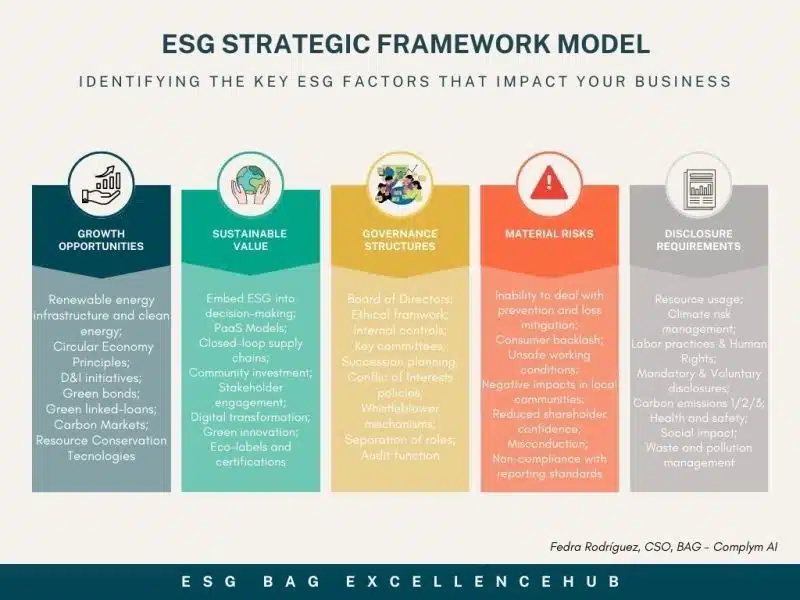
ESG South Africa Framework Motel
Infographic courtesy of Fedra Rodrigues

Environmentally friendly (“green”) cleaning typically aims to reduce harsh toxins and irritants, supporting safer daily operations.
Because cleaning is a routine activity, improvements can show up quickly in audits, staff feedback, and risk reduction.

1) Environmental (E): reduce pollution, protect water, cut waste

Green cleaning supports environmental goals by reducing the chemical load that can end up in water systems and by encouraging smarter use of materials.
This is especially important where wastewater and sanitation systems are under pressure.

  • Lower pollution risk: fewer harsh chemicals entering drains and waterways
  • Reduced waste: opportunities for smarter packaging choices and better product efficiency
  • Clearer ESG reporting: easier tracking of reduced chemical usage and improved procurement standards

2) Social (S): protect staff, improve indoor air quality, reduce health risks

Cleaning teams often face daily exposure to strong irritants. Safer product choices can help protect staff, reduce discomfort,
and support better indoor air quality—especially in high-traffic or sensitive spaces like classrooms and clinics.

  • Health & safety: reduced exposure to harsh irritants for cleaning teams
  • Better indoor environments: a healthier experience for everyone using the space
  • People-first operations: aligning day-to-day practices with community wellbeing

3) Governance (G): prove accountability with better compliance and reporting

Governance improves when you can clearly show what you buy, why you buy it, and what risk it reduces.
Adopting greener cleaning practices supports ethical procurement and strengthens documentation for ESG reporting.

  • Transparency: clearer procurement standards and supplier selection
  • Risk management: fewer incidents, complaints, and operational exposure
  • Reporting readiness: easier documentation of measurable improvements

ESG South Africa: why this matters locally

South Africa’s ESG direction is shaped by global sustainability commitments and local governance frameworks. For many organisations,
this translates into greater expectations around environmental responsibility, worker safety, ethical procurement, and transparency.

The key takeaway: everyday operational decisions—like cleaning standards—can become part of how you demonstrate responsible management across ESG pillars.

A simple ESG-ready cleaning checklist (for facilities & procurement)

Use this quick checklist to evaluate whether your cleaning approach supports ESG outcomes:

Environmental checks

  • Are you reducing the risk of water/soil contamination from harsh chemicals?
  • Are you reducing packaging waste where possible?
  • Can you track chemical usage reductions over time?

Social checks

  • Are cleaning staff exposures to irritants being reduced?
  • Are indoor spaces healthier for learners, patients, guests, and employees?
  • Do teams have clear training and usage guidelines?

Governance checks

  • Can you explain (and document) what you buy and why?
  • Do you keep basic records for procurement and usage logs?
  • Is your approach consistent across sites and teams?

How to implement ESG-aligned cleaning in your organisation

  1. Start with one site or department: pilot your improved cleaning approach and document changes.
  2. Create simple standards: define which products are used where and how they’re applied.
  3. Train your team: consistency improves outcomes, safety, and reporting credibility.
  4. Track the basics: Keep procurement records and monthly usage notes—easy wins for ESG reporting.
  5. Scale gradually: expand site by site with the same standards and documentation.

FAQ

What does ESG stand for?

ESG stands for Environmental, Social, and Governance—three areas used to evaluate sustainability and ethical impact.

How can cleaning products affect ESG scores?

Cleaning products can influence environmental pollution, indoor air quality, worker exposure, and how well an organization can document responsible practices—touching all three ESG pillars.

Is ESG only for big corporations?

No. ESG applies to any organization that manages environmental impact, people’s well-being, and accountability—including schools, clinics, hospitality venues, and municipalities.

What’s a simple first step to improve ESG through cleaning?

Standardize your cleaning approach using safer, eco-conscious products, train your team, and start tracking procurement and usage monthly.
These small operational changes can make ESG progress measurable quickly.

In Closing...

ESG isn’t only built in strategy documents—it’s built through consistent day-to-day decisions. Switching to eco-friendly cleaning is one of the simplest ways to reduce environmental harm, protect people, and strengthen accountability at the same time.

Ready to align your cleaning and sanitation routines with ESG outcomes? Explore AfroECO’s featured solutions:
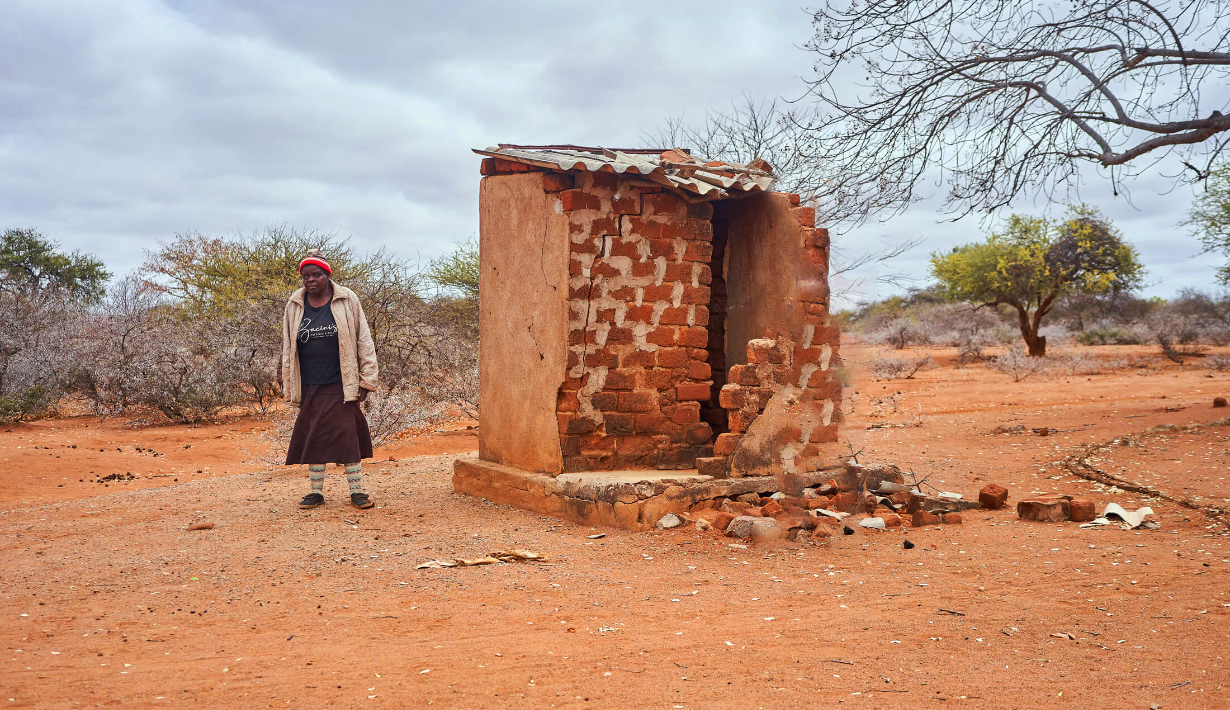
How Unhygienic Toilets African Girls and Women

The Hidden Health Crisis Facing Female Pit Toilet Users – the South African perspective

In earlier AfroECO articles, we explored WHO’s guidelines on sanitation and health and  South Africa’s progress in eradicating unsafe pit toilets. This third article continues that conversation by focusing on a critical question:

How do unhygienic pit toilets specifically affect the health, dignity, and safety of women and girls?

Across rural communities, informal settlements, and under-resourced schools, thousands of females still rely on pit latrines that are dirty, unsafe, or poorly maintained. These conditions don’t just cause inconvenience—they contribute to infections, missed school days, chronic anxiety, and a loss of dignity.

Why Females Are Disproportionately Affected

Unhygienic Pit Toilets

Pit toilets are often seen as a low-cost “step up” from open defecation. But when they are unhygienic—poorly cleaned, structurally unsound, badly ventilated, or left overflowing—they become high-risk spaces, especially for women and girls.

  • More frequent usage needs: Females generally use toilets more often due to menstruation, pregnancy, and caregiving responsibilities, increasing their exposure to pathogens in dirty facilities.
  • Lack of privacy and dignity: Doors that don’t close, missing locks, no lighting, and foul smells make it difficult to manage basic needs—especially during menstruation.
  • Nighttime safety risks: Fear of harassment or assault at night leads many women to “hold it in,” which can contribute to urinary tract infections (UTIs), constipation, and bladder problems.


Health Risks: From Infections to Long-Term Consequences

Health risks associated with unhygienic pit latrines
Extract from WHO Guidelines On Sanitation And Health

Unhygienic pit latrines expose users to multiple health threats. For females, these threats are layered on top of biological and social realities that make them more vulnerable.

1. Exposure to illness-causing pathogens

Dirty slabs, contaminated seats, overflowing pits, and standing wastewater can harbor bacteria such as E. coli, Salmonella, and other enteric pathogens. Women who care for children or sick relatives are often in and out of these spaces, increasing their contact with contaminated surfaces.

2. Menstrual hygiene management (MHM) challenges

Many pit latrines are not designed with menstrual hygiene in mind. They lack water, handwashing stations, disposal bins and basic privacy. This can force women and girls to use unsafe materials or delay changing menstrual products, increasing the risk of reproductive tract infections (RTIs) and severe discomfort.

3. Psychosocial stress and anxiety

When every toilet visit feels unsafe, embarrassing, or degrading, it places a heavy mental burden on users. Girls may avoid using the toilet at school or stay home altogether when they are menstruating, leading to lost learning time and lower confidence.

4. Increased caregiving burden

Poor sanitation affects entire households, but women usually carry the responsibility of caring for sick family members. Diarrheal diseases, worm infections, and other sanitation-related illnesses translate into more unpaid labor, missed work opportunities, and deepening gender inequality.

The Hidden Risk of Unsafe Pit Emptying

Unhygienic Pit Toilets

In many communities, pit latrines are emptied manually, often without protective clothing, proper tools, or safe disposal options. This practice exposes sanitation workers and nearby households to high levels of pathogens, which can contaminate soil, groundwater, and household environments.

Women who fetch water, wash clothes, or cook with contaminated water are then indirectly re-exposed to those pathogens, reinforcing a cycle of infection that is rooted in inadequate sanitation systems.

What WHO Says About Gender-Responsive Sanitation

The World Health Organization (WHO), through the Joint Monitoring Programme (JMP) with UNICEF, makes it clear that sanitation systems must be designed and managed with gender in mind.

Our earlier article on WHO’s sanitation and health guidelines highlights how improved sanitation, including well-designed ventilated improved pit (VIP) latrines, can reduce disease risks—but only if they are kept hygienic and safe for regular use.

WHO guidance calls for risk-based sanitation planning, better protection for sanitation workers, and stronger integration with public health programs. Crucially, it stresses that women and girls must be included in decisions about how toilets are designed, located, and maintained.

South Africa’s Progress—And the Gaps That Remain

Minister Siviwe Gwarube announces 96% eradication of pit toilets in schools

South Africa has taken important steps to address the pit latrine crisis, especially in schools.
As we discussed in our article on eradicating pit toilets, the Sanitation Appropriate for Education (SAFE) Initiative and related programs aim to replace unsafe school toilets with safer, more dignified solutions.

However, many challenges remain:

  • Households in rural and informal areas still rely on unimproved pit latrines.
  • Maintenance and cleaning are often underfunded or poorly managed.
  • Girls continue to miss school due to inadequate menstrual hygiene facilities.
  • Sanitation workers and communities are still exposed to unsafe emptying practices.

Addressing these issues requires a combination of government action, community involvement, and innovation from the private sector and social enterprises.

What Needs to Happen Next

To protect the health, dignity, and safety of women and girls, sanitation must be treated as a public health priority and a gender equality issue. Key actions include:
  • Designing toilets with menstrual hygiene in mind—including water, bins, privacy, and safe disposal.
  • Upgrading or replacing dangerous pits with safer, hygienic systems such as properly managed VIP latrines or waterless eco-toilets.
  • Training and equipping sanitation workers to empty pits safely and dispose of waste responsibly.
  • Involving women and girls in decisions about toilet location, design, and maintenance.
  • Strengthening public–private partnerships to scale up affordable, sustainable sanitation technologies.

Towards Safe, Dignified Sanitation for Every Woman and Girl

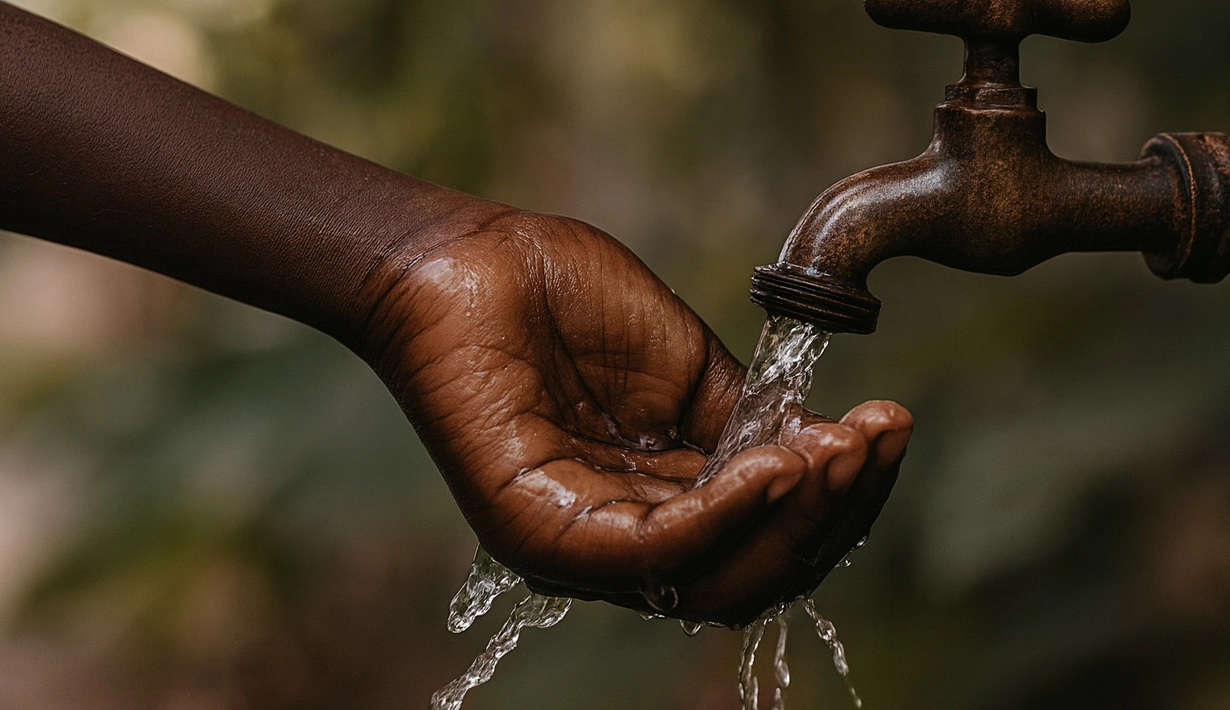
Beautiful Portrait of African Children Drinking Outdoors Fresh Water from tap

Unhygienic pit latrines are not just an infrastructure problem—they are a women’s health issue, an education issue, and a human rights issue. By combining strong policy, community engagement, and practical, gender-responsive design, South Africa can ensure that no woman or girl has to risk her health or dignity simply to use the toilet.

At AfroECO, we believe that safe sanitation, effective hygiene products, and cleaner environments go hand in hand.
As the country continues to move away from unsafe pit toilets, we remain committed to supporting households, schools, and communities on the journey to healthier, more dignified sanitation for all.

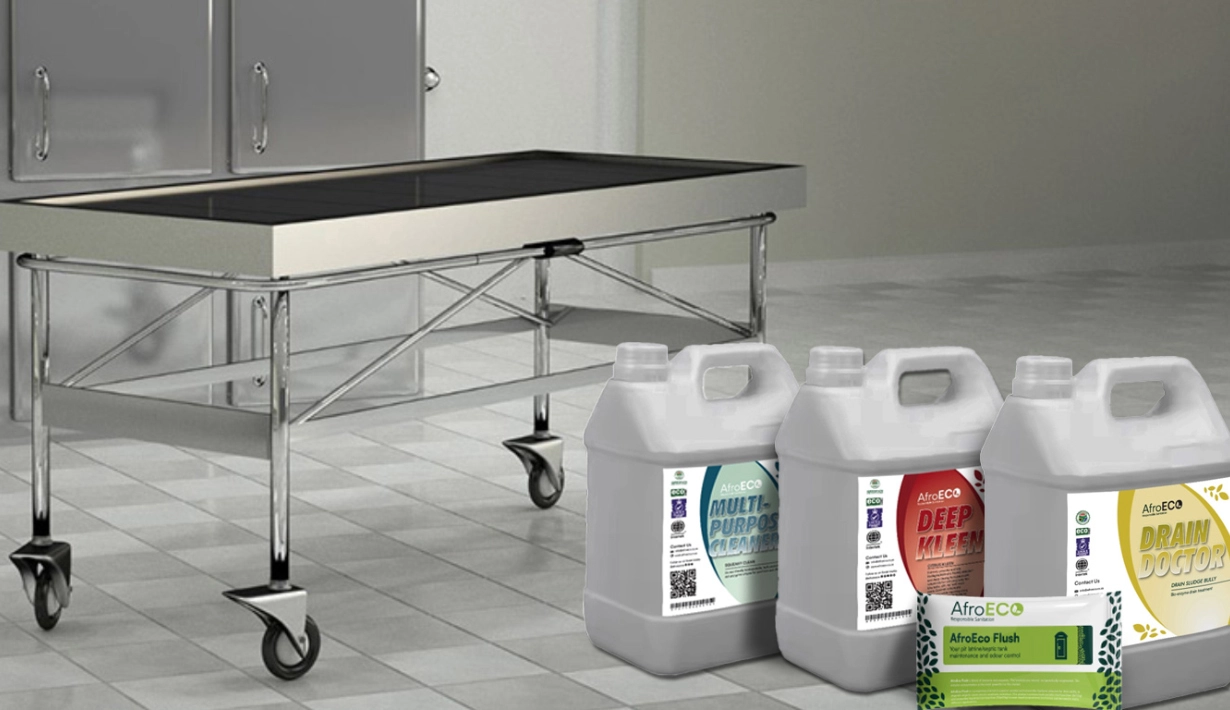
eco-friendly mortuary cleaning products

Why Mortuaries Need Eco-Friendly, Professional-Grade Cleaning Products

Mortuaries deal with some of the most sensitive hygiene and sanitation challenges in any industry. Maintaining a clean, safe, and odor-free environment isn’t just good practice—it’s non-negotiable for compliance, reputation, and staff safety.

That’s why more funeral homes and morticians in South Africa are turning to eco-friendly mortuary cleaning products, especially as the industry shifts toward safer, non-toxic, and more sustainable operations.

AfroECO offers a complete range of professional-grade sanitizing and disinfecting products developed specifically for environments where hygiene must be guaranteed—without compromising health or the environment.

Why Traditional Cleaning Chemicals Aren’t Ideal for Mortuaries

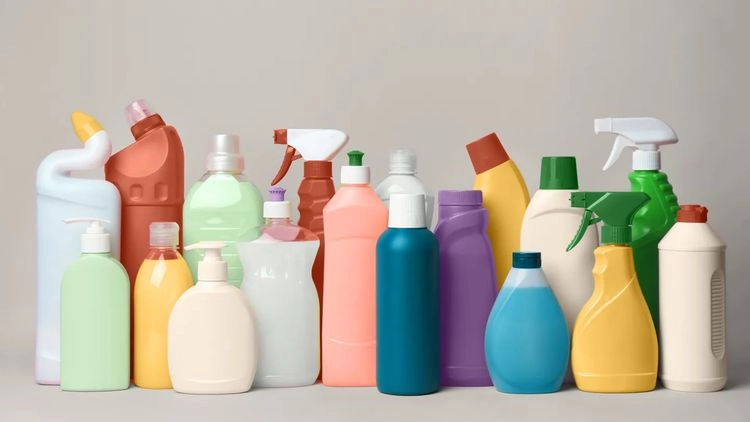
Cleaning Chemicals

Many conventional industrial cleaners are:

  • Too harsh, causing corrosion on equipment and stainless-steel prep tables
  • Toxic, posing risks to staff and requiring heavy ventilation
  • Irritating, often causing skin or respiratory discomfort
  • Environmentally unsafe, producing fumes, residue, and chemical waste

In a controlled environment like a mortuary—where staff work closely with biological hazards—switching to safer, more effective cleaners is no longer optional.

This is where AfroECO delivers a measurable difference.

The AfroECO Advantage for Mortuaries

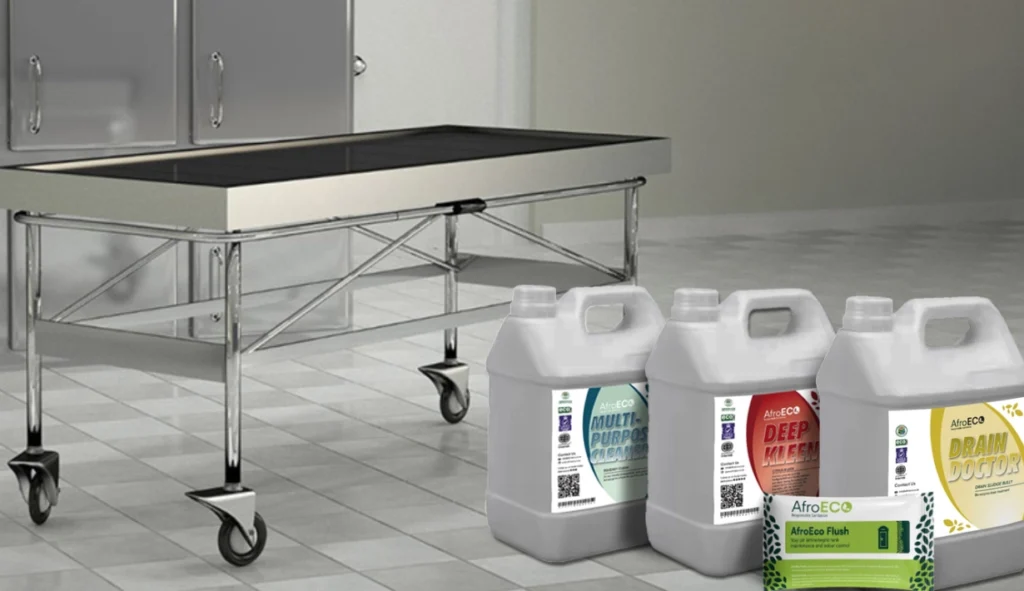
eco-friendly mortuary cleaning products

1. High-Level Disinfection & Sanitising Power

AfroECO products are formulated to break down:

  • Bodily fluids
  • Biological residue
  • Blood staining
  • Odour-causing bacteria
  • Grease and organic matter

Our cleaners penetrate deeply, disinfect thoroughly, and rinse clean—making surfaces safe for continued use.

2. Safe for Staff & Mild on Equipment

No corrosive acids. No toxic fumes. No harmful solvents.

AfroECO products are engineered to provide maximum cleaning effectiveness with minimum irritation, making them safe for daily use in enclosed spaces such as:

  • Preparation rooms
  • Autopsy rooms
  • Cold chambers
  • Equipment areas
  • Viewing rooms

3. Eliminates Strong Odours at the Source

Odour control is critical in mortuary operations. AfroECO’s formulas neutralize odors instead of masking them—helping maintain a professional, respectful environment for families and staff.

4. Eco-Friendly Formulation

All AfroECO solutions are biodegradable, non-toxic, and designed to reduce environmental impact.

This benefits mortuaries by:

  • Reducing chemical waste
  • Minimising staff exposure to harsh products
  • Supporting green facility policies
  • Meeting increasingly strict municipal wastewater guidelines

Recommended AfroECO Products for Mortuaries

AfroECO supplies a specialised range of eco-friendly, industrial-strength cleaners designed to meet the strict hygiene, odour-control, and sanitation requirements of mortuaries and funeral homes. Below are the most suitable products for daily and deep-cleaning operations:

1. AfroECO Multi-Purpose Cleaner

Perfect for daily cleaning of preparation rooms, floors, countertops, and equipment.

This powerful yet eco-friendly formula cuts through dirt, biological residue, and surface grime without leaving harmful chemical fumes behind. Its non-corrosive nature makes it ideal for stainless steel prep tables, trolleys, instruments, and general work areas.

Best for: Daily sanitation, general surface cleaning, maintaining hygiene in high-traffic zones.

https://afrobackup.badboidesigns.com/shop/multi-purpose-cleaner/

AfroECO Multi-Purpose Cleaner – Biodegradable Eco-Friendly All-Surface Cleaner 5L
AfroECO Multi-Purpose Cleaner

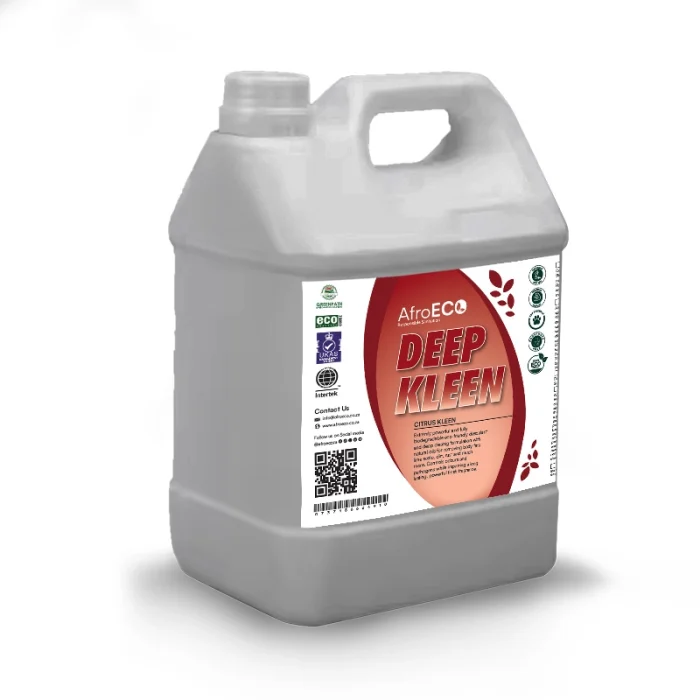
2. AfroECO Deep Kleen – Heavy-Duty Cleaner & Degreaser

Designed for serious cleaning challenges found in mortuaries.

Deep Kleen breaks down stubborn organic matter, biological buildup, oils, and stains that occur during body preparation. Its heavy-duty degreasing action ensures surfaces remain safe, sanitised, and compliant with hygiene requirements.

Best for: Prep rooms, autopsy tables, equipment cleaning, heavy residue removal, and high-risk areas.

https://afrobackup.badboidesigns.com/shop/deep-kleen-cleaner/

AfroECO Deep Kleen Eco-Friendly Deep Cleaning Gel Cleaner 5L
AfroECO Deep Kleen

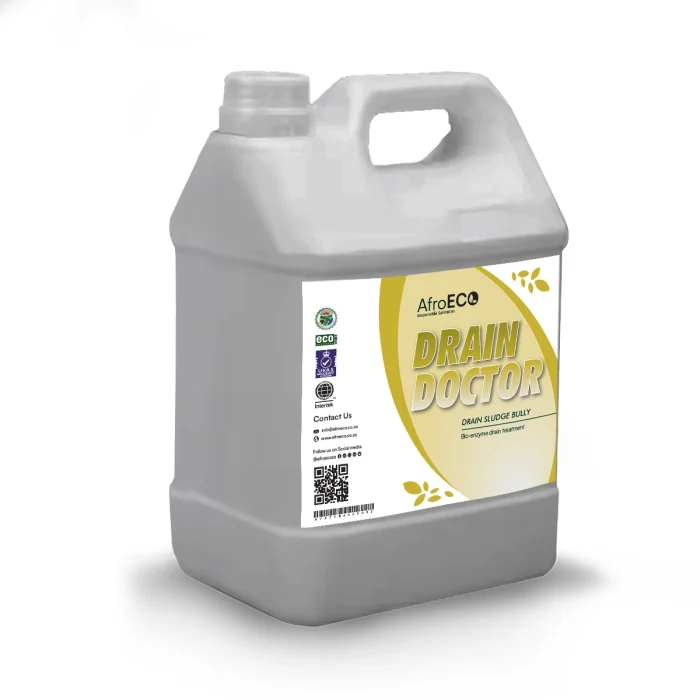
3. AfroECO Drain Doctor

Essential for preventing drain blockages, sludge buildup, and foul odours.

Mortuaries often struggle with organic waste accumulation in drain lines. Drain Doctor uses powerful biodegradable enzymes to break down fat, grease, blood residue, and organic matter—keeping drainage systems free-flowing and odour-free.

Best for: Prep-room drains, autopsy sinks, waste-disposal drains, and long-term odour control.

https://afrobackup.badboidesigns.com/shop/afroeco-drain-doctor/

AfroECO Drain Doctor – Biodegradable Eco-Friendly Drain Cleaner 5L
AfroECO Drain Doctor

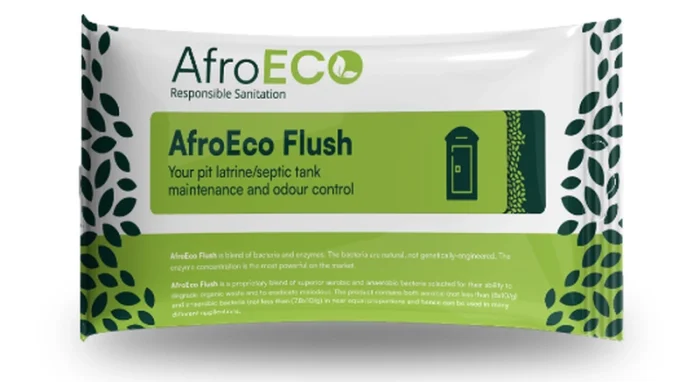
4. AfroECO Flush

A highly effective natural solution for managing strong biological odours.

Although originally designed for pit latrines, these bio-enzyme sachets are extremely effective in environments where strong organic odours persist. The enzymes break down waste at a molecular level, making them useful for controlling odours in holding areas, waste rooms, and mortuary sanitation systems.

Best for: Odour-neutralisation in waste zones, biological storage areas, drains, and poorly ventilated rooms.

AfroECO Flush

AfroECO Flush
AfroECO Flush

How Mortuaries Benefit from Aligning with AfroECO

  • Compliant hygiene environment
  • Safer workspace for staff
  • Better client impressions
  • Reduced environmental footprint
  • Consistent, reliable sanitation
  • Products designed for professional use

Mortuaries operate with dignity, care, and precision. AfroECO supports that mission with cleaning solutions you can trust.

Final Thoughts

A mortuary needs cleaning products that are powerful, safe, and ethically aligned with the sensitive nature of the profession. AfroECO’s eco-friendly mortuary cleaning products offer a smarter, safer, and more sustainable way to maintain high hygiene standards—without exposing staff to harsh chemicals or damaging equipment.

Interested in AfroECO’s professional cleaning solutions for mortuaries?

Request a tailored quote for your facility here:
https://afrobackup.badboidesigns.com/request-quote

Or browse the full product range:
👉 https://afrobackup.badboidesigns.com/shop/


AfroECO deep-cleaning solution

Deep-Cleaning Made Safe: How AfroECO Deep Kleen Tackles Tough Grime Without Harsh Chemicals

AfroECO Deep Kleen Cleaner is a professional-grade deep-cleaning solution created to tackle heavy-duty messes without the risks of traditional cleaners. Its biodegradable, non-toxic, and non-corrosive formula is tough on grime but gentle on surfaces—and safe for use around people, pets, and the planet.

Key Benefits of Deep Kleen:

  • 🌿 Eco-friendly & biodegradable: Safe for soil, water, and your health.
  • 🧪 Non-corrosive & surface-safe: Won’t damage coatings, metal, or concrete.
  • 💧 Gel-based formula: Clings to vertical and uneven surfaces for longer dwell time.
  • 🧼 Powerful deep-cleaning solution: Breaks down grease, oil, scale, rust, and mineral deposits.
  • 🏭 Multi-surface use: Ideal for metal, tile, concrete, plastic, masonry, and more.

How AfroECO Deep Kleen Works as a Deep-Cleaning Solution

Unlike traditional liquid cleaners that run off quickly, Deep Kleen’s gel-based deep-cleaning solution ensures maximum contact time with surfaces. This allows the active cleaning agents to penetrate deep into grime and break it down at the molecular level.

Here’s how it works:

  1. The gel clings to the surface — even on vertical or uneven areas.
  2. Its powerful formula dissolves oils, grease, scale, and mineral deposits.
  3. Residues loosen easily for removal without abrasive scrubbing.
  4. Surfaces are left clean, residue-free, and safe from damage.

All of this happens without harsh acids or solvents, making Deep Kleen a safer, more sustainable choice for deep cleaning.

What Is AfroECO Deep Kleen Cleaner?

AfroECO Deep Kleen Cleaner is a professional-grade deep-cleaning solution formulated for heavy-duty jobs without the drawbacks of traditional cleaners. Its biodegradable, non-toxic, and non-corrosive formula is tough on grime but gentle on surfaces—and safe for use around people, pets, and the environment.

Key Benefits of Deep Kleen:

  • Eco-friendly & biodegradable: Safe for soil, water, and your health.
  • Non-corrosive & surface-safe: Won’t damage coatings, metal, or concrete.
  • Gel-based formula: Clings to vertical and uneven surfaces for longer dwell time.
  • Powerful cleaning action: Breaks down grease, oil, scale, rust, and mineral deposits.
  • Multi-surface use: Ideal for metal, tile, concrete, plastic, masonry, and more.

How AfroECO Deep Kleen Works

Unlike traditional liquid cleaners that run off quickly, Deep Kleen’s gel consistency ensures maximum contact time with the surface. This allows the active agents to penetrate deep into grime and break it down at the molecular level.

Here’s what happens when you apply Deep Kleen:

  1. The gel clings to the surface, even on vertical or uneven areas.
  2. Natural cleaning agents dissolve oils, grease, scale, and mineral deposits.
  3. Residues are loosened for easy removal without abrasive scrubbing.
  4. The surface is left clean, residue-free, and safe from damage.

All of this happens without harmful acids or solvents, so your equipment and surfaces stay protected.

Where to Use This Eco-Friendly Deep-Cleaning Solution

AfroECO Deep Kleen’s versatility makes it ideal for use in residential, commercial, and industrial environments. Some of the most common applications include:

  • 🏭 Industrial equipment: Remove oil, grease, and residue from machinery.
  • 🧰 Workshops and garages: Clean tools, floors, and work surfaces.
  • 🍳 Kitchens and food facilities: Degrease ovens, hoods, and prep areas safely.
  • 🏠 Household surfaces: Revive tiles, patios, concrete floors, and outdoor furniture.
  • 🚿 Specialty uses: Unblock drains, descale surfaces, remove rust, and clean coils.

Wherever tough grime exists, this deep-cleaning solution delivers results.

How to Use AfroECO Deep Kleen: A Step-by-Step Deep-Cleaning Guide

  1. Preparation: Remove loose debris or dust from the surface.
  2. Apply the Deep-Cleaning Solution: Use it directly for heavy buildup or dilute it (e.g., 1:4) for lighter jobs.
  3. Allow Dwell Time: Let the gel sit for 1–2 minutes to penetrate grime.
  4. Agitate: Gently scrub with a soft brush or cloth if needed.
  5. Rinse Thoroughly: Wash away dissolved dirt and cleaner with water.

Pro Tips:

  • Use in shaded areas to prevent premature drying.
  • Test on a small area first for delicate surfaces.
  • Wear gloves for prolonged use.

Tips and Best Practices for Your Deep-Cleaning Solution

  • Pre-rinse heavily soiled surfaces before applying Deep Kleen.
  • For thick build-up, repeat the application rather than over-diluting.
  • Schedule deep cleaning periodically to prevent grime buildup.
  • Pair Deep Kleen with other AfroECO products for a complete cleaning system.

Conclusion

When it comes to removing stubborn grime, grease, and residue, AfroECO Deep Kleen Cleaner is the deep-cleaning solution that does it all—without compromising safety or sustainability. Its biodegradable formula delivers industrial-strength cleaning while protecting your surfaces, your health, and the environment.

✅ Ready to experience deep cleaning without compromise?
Shop AfroECO Deep Kleen Cleaner now .

Search for products

Back to Top
Product has been added to your cart
Compare (0)